
SHELTERED HOUSING DOMOV
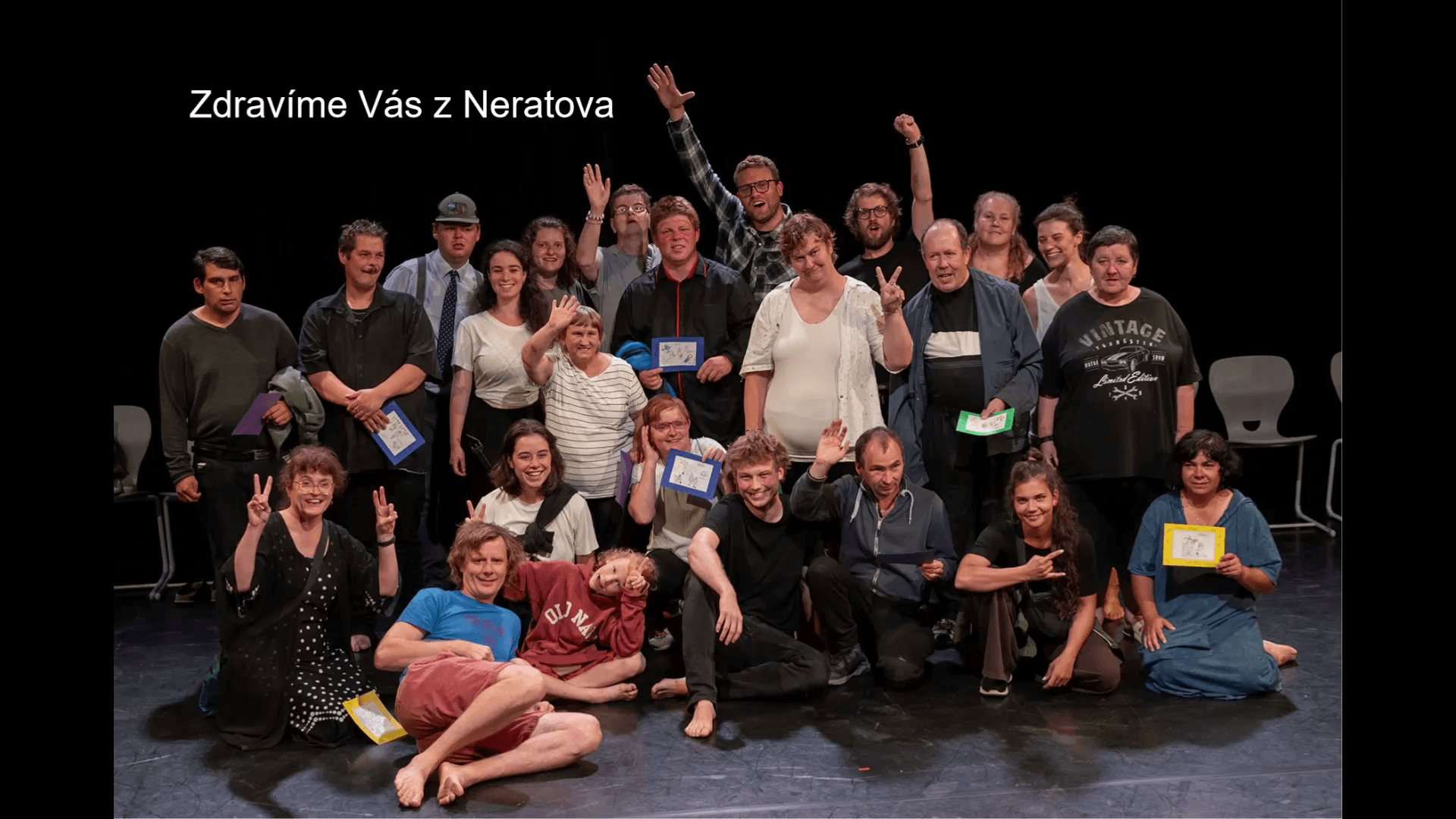
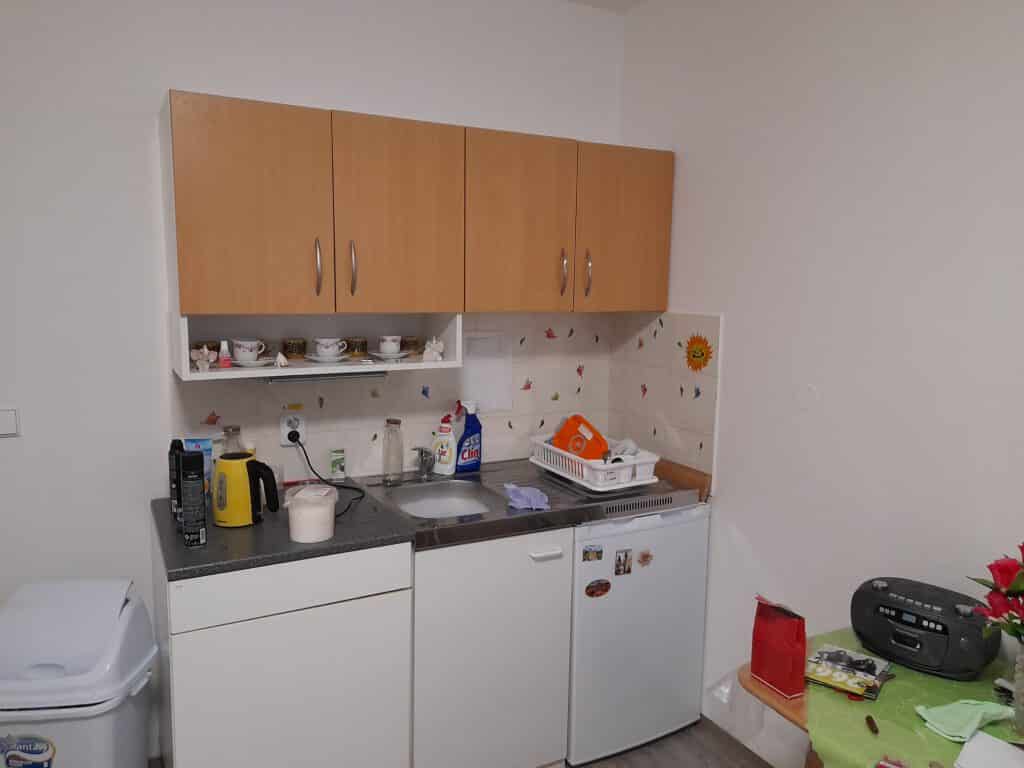
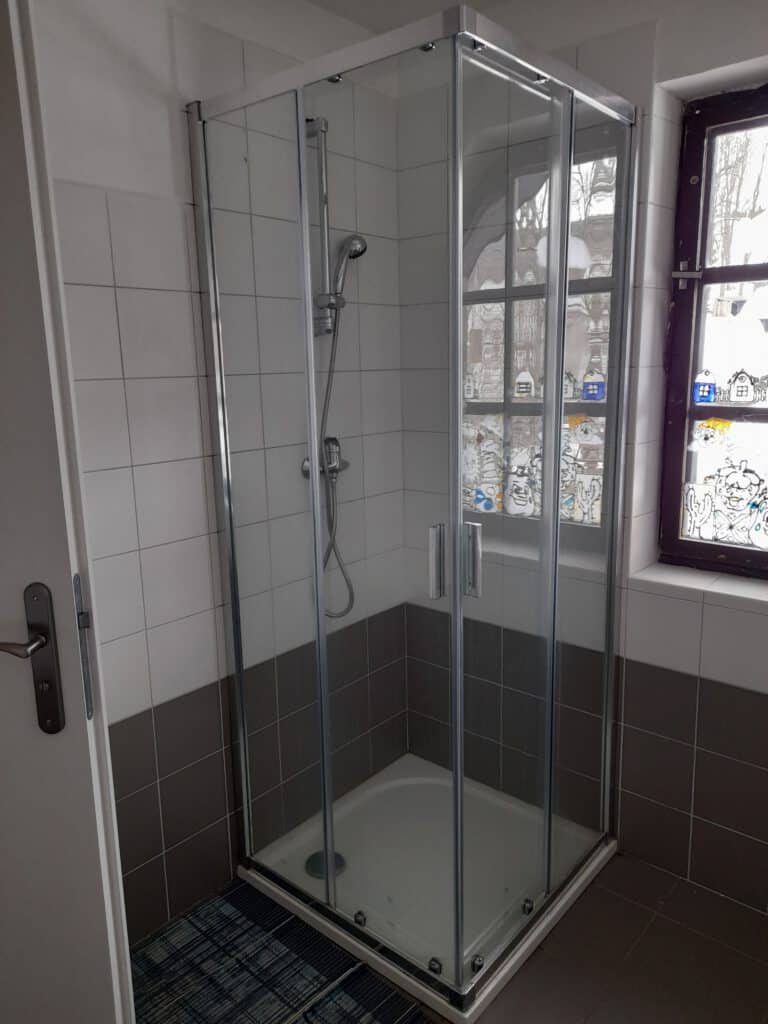
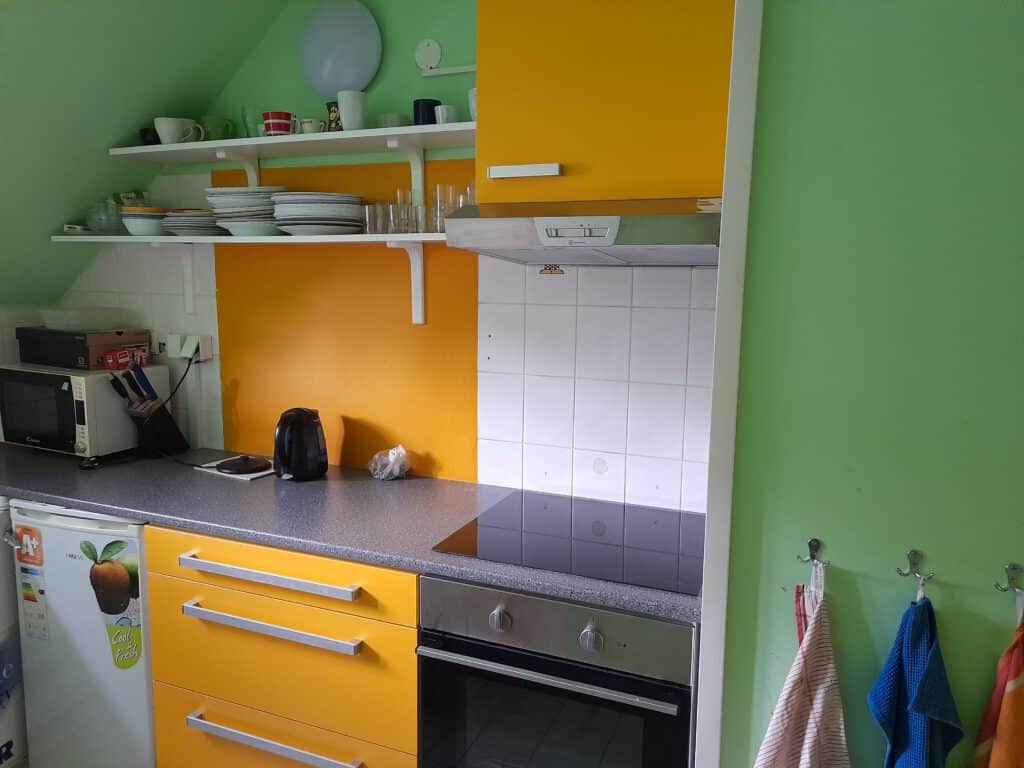
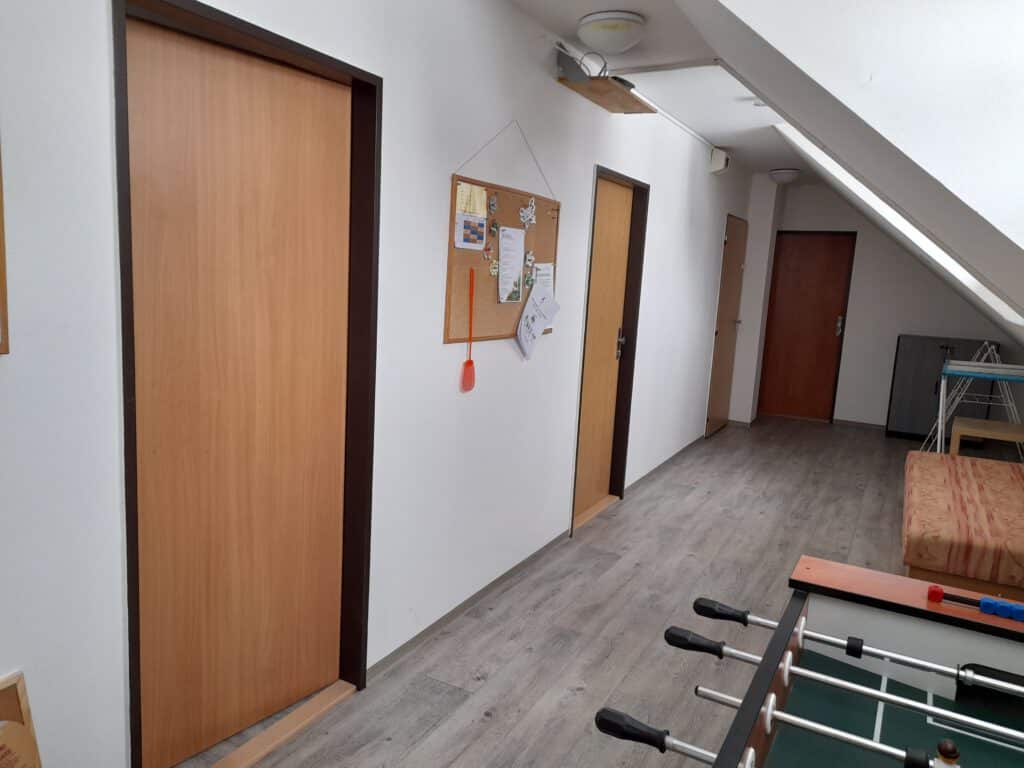
Sheltered housing Domov in Neratov has been operating since 1998. We are a residential social service providing support to people with reduced self-sufficiency due to mental disabilities whose situation requires the assistance of another person. Our goal is to help these people live free, independent, and responsible lives, striving to maintain ties between users, their families, relatives, and their natural environment so that they can live like their peers, upholding the principles of human dignity and independence. All this is supported by a team of social service workers in the friendly family environment of the mountain village of Neratov, which is also a place of pilgrimage.
MISSION SERVICES PROVIDED
- To provide people with mental disabilities with an appropriate level of support in sheltered housing for a limited period of time, with the aim of achieving the highest possible level of independence and practicing skills associated with living in natural conditions.
- Provide adequate and stable support to people with intellectual disabilities who cannot live independently on a permanent basis without a lower level of support.
- To provide people with mental disabilities with an appropriate level of support in sheltered housing for a limited period of time, with the aim of achieving the highest possible level of independence and practicing skills associated with living in natural conditions.
TARGET GROUP
People with mild to moderate mental disabilities aged 18 and over, mainly from the Hradec Králové Region, who find themselves in an unfavorable social situation and are interested in resolving it.
An unfavorable social situation is understood to mean, for example:
(nacházím se např. v jedné z těchto situací, či několika z nich)
- I am unable to take care of myself in personal matters, I have no one close to me who could help me (I am unable to prepare my own meals, I cannot take care of my own body).
- I can't manage to live alone (I can't clean and keep my home tidy, I can't do my laundry, I can't reliably operate small household appliances).
- I don't want to be alone, isolated from society, I can't connect with my social environment (I can't live with my parents because of constant conflicts, or my parents can't take care of me due to old age or illness, I can't manage my daily routine, I can't travel alone to the doctor or public institutions, I am unable to make doctor's appointments, I am unable to negotiate my health matters, at public institutions and educational facilities, I am unable to spend my free time meaningfully, I am unable to maintain contact with family members, I need help with shopping – I am concerned about the risk of financial abuse).
I cannot cope with everyday matters (I need to maintain and develop my personal and social abilities and skills).
SOCIAL SERVICE IS NOT INTENDED
- Persons who are unable to stay in social services facilities due to infectious diseases.
- Persons whose behavior would seriously disrupt the collective coexistence of users of sheltered housing.
- Persons with chronic mental illness.
- Persons diagnosed with sexual deviance.
- Persons with personality disorders.
- Persons with behavioral disorders.
- Persons exhibiting aggression.
- Persons with autism spectrum disorders.
- Persons with severe or profound mental retardation.
- Persons addicted to alcohol or other addictive substances.
- Persons with severe specific sensory impairments, e.g., complete loss of sight and hearing.
- Persons with reduced mobility.
- Persons requiring 24-hour care/support.
- Persons requiring medical care that cannot be provided on an outpatient basis (there is no medical staff in sheltered housing).
OBJECTIVES OF THE SERVICES PROVIDED
How will Domov sheltered housing help me?
- Reduce the level of support required. Assess, verify, and develop one's own abilities and skills in areas that enable a person to live independently and according to their own ideas. These mainly include:
- Samostatnost ve stravování.
- Samostatnost v bydlení.
- Schopnost řešit běžné situace.
- Schopnost si uspořádat denní režim, aktivně trávit volný čas.
- Převzetí odpovědnosti za vlastní rozhodování (získávání sebedůvěry).
- Využívání dostupných zdrojů.
- Schopnost budovat mezilidské vztahy.
- Zapojení se do pracovního procesu (90% uživatelů se zapojí trvale do pracovního procesu).
- Help users find subsequent housing that should be long-term and permanent.
- Create a background, a sense of security, safety, and belonging in the social services environment, use commonly available services so that users live a life as similar as possible to that of their peers.
- Soukromí, rozvoj komunikace, řešení problémů, důvěra, pochopení, přijetí.
- Vzdělávání (sexualita, zdravý životní styl, hygiena aj.).
- Běžně dostupné služby (obchody, úřady, kadeřník, pedikúra, lékař aj.).
- Volnočasové aktivity (bazén, bowling, kino, divadlo aj.).
- Používání mobilního telefonu, internetu.
10% of users leave social services, 10% of users move to social services with a lower level of support, 5% of users move to social services with a higher level of support, and 75% of users remain in social services.
PRINCIPLES ON WHICH PROTECTED HOUSING FUNCTIONS
Individual approach
Staff members work on the basis of respect for the individuality of each user, tailoring the level of support to the specific needs, abilities, possibilities, and wishes of the user (taking into account other users of the service).
Partnership approach
Staff provide social services to users on the basis of an equal relationship and mutual trust.
Emphasis on utilizing user capabilities
Staff empower users to gradually become independent by utilizing their abilities and potential.
Use of commonly available resources
Staff support users in the normal use of services in order to prevent societal prejudice against users.
Freedom of choice and self-determination
Staff seek to provide support in such a way as to enable users to make decisions according to their own free will to the greatest extent possible.
The service capacity is 25 seats.
BASIC AND OFFERED ACTIVITIES
- Poskytnutí stravy nebo pomoc při zajištění stravy.
- Poskytnutí ubytování.
- Pomoc při zajištění chodu domácnosti.
- Pomoc při osobní hygieně nebo poskytnutí podmínek pro osobní hygienu.
- Výchovné, vzdělávací a aktivizační činnosti.
- Zprostředkování kontaktu se společenským prostředím.
- Sociálně terapeutické činnosti.
- Pomoc při uplatňování práv, oprávněných zájmů a při obstarávání osobních záležitostí.
- Individuální a skupinové programy zahrnující práci s pojmy: zneužití, znásilnění, právo nesouhlasit, hodnota peněz, bezpečné nakládání s penězi, důsledky podpisu smlouvy, trestní odpovědnost.
- Základní sociální poradenství.
- Fakultativní činnosti: doprava.
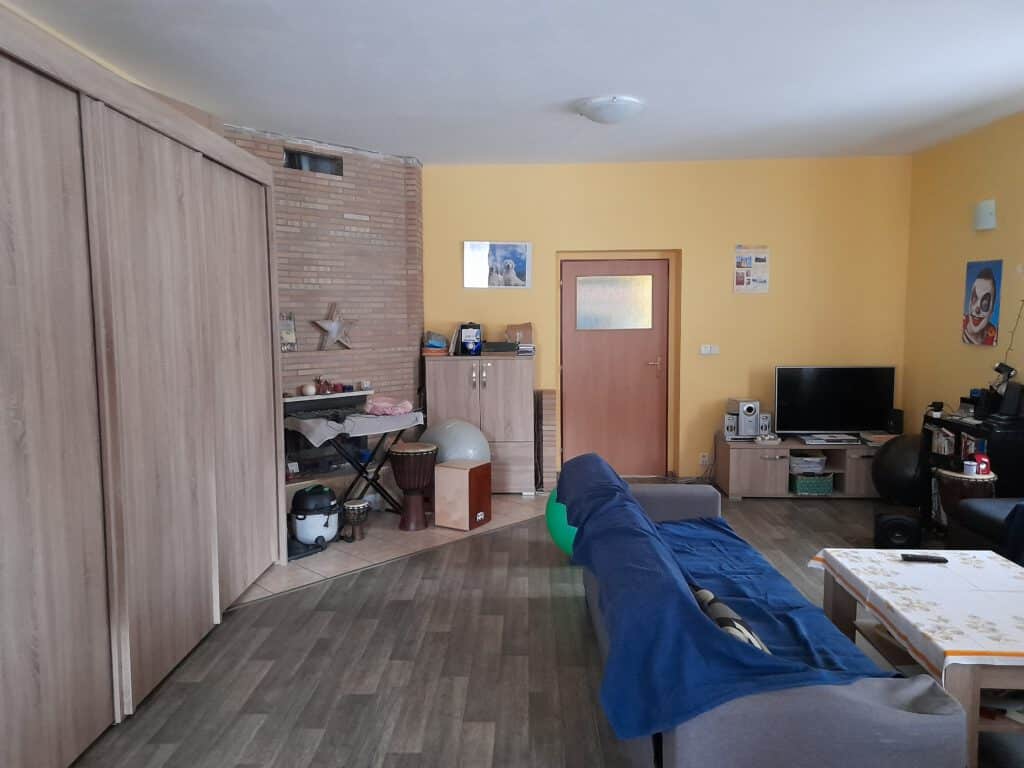
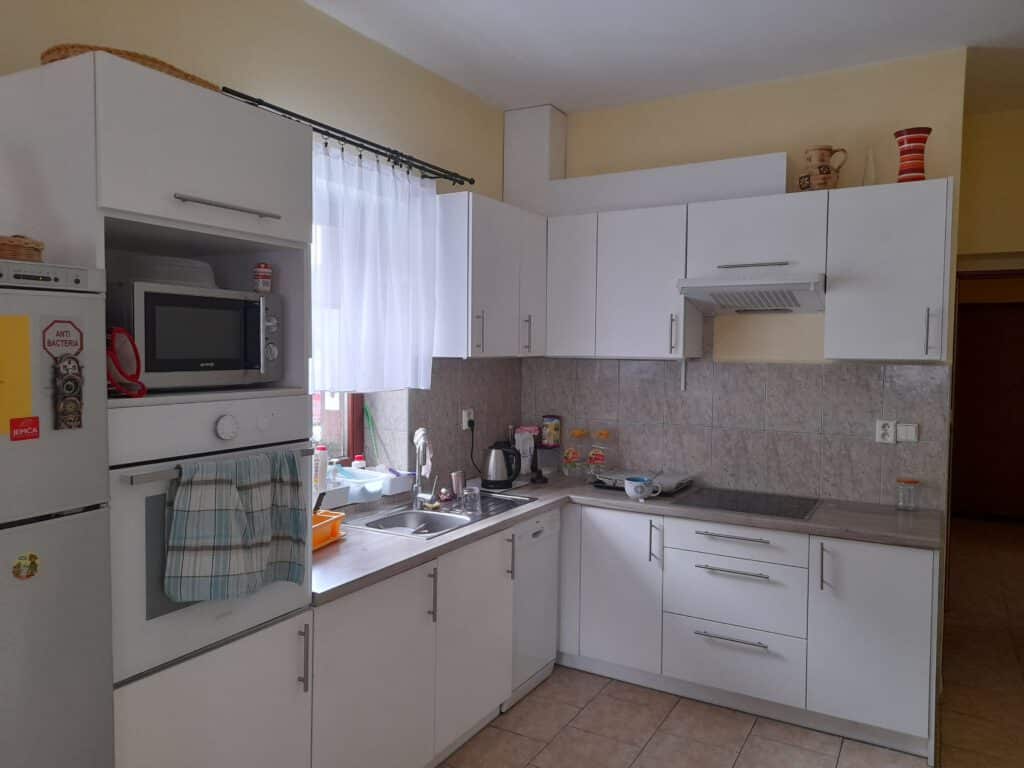
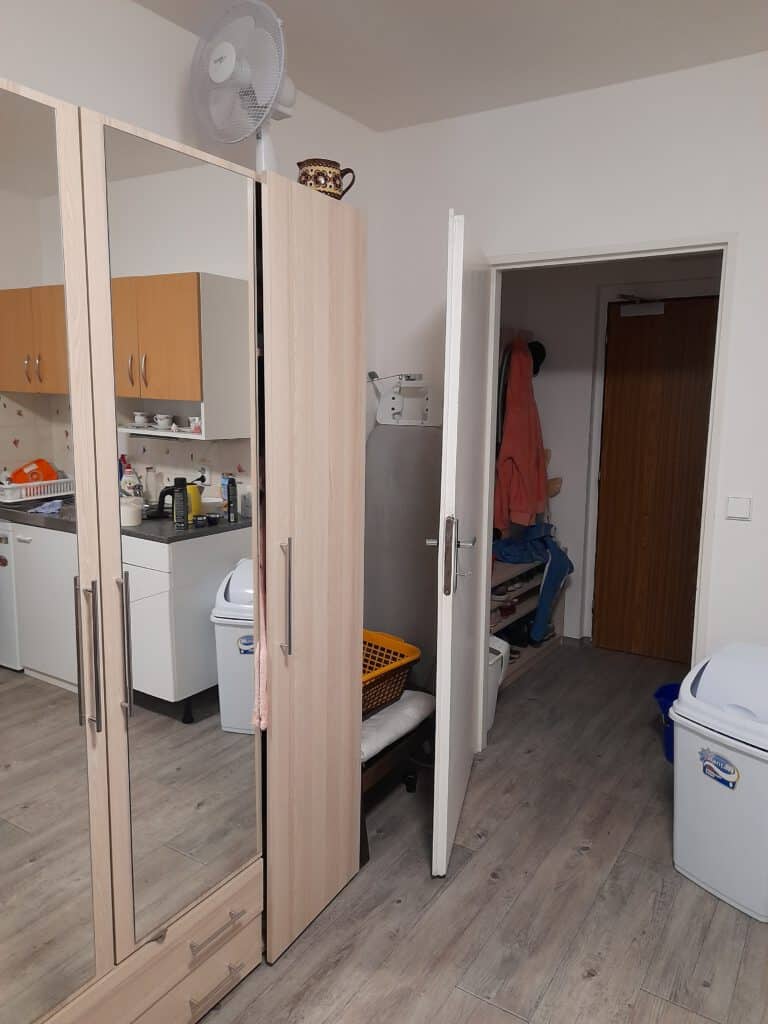
CONTACT FOR PROTECTED HOUSING
Petra Jelínková
manager +420 777 949 156 | +420 494 530 059
 domov@neratov.cz | petra@neratov.cz
Bc. Šárka Tomanová
social worker +420 731 646 959 sarka.tomanova@neratov.cz
Bartošovice v Orl .h. 84, 517 61 Rokytnice v Orl. h.